

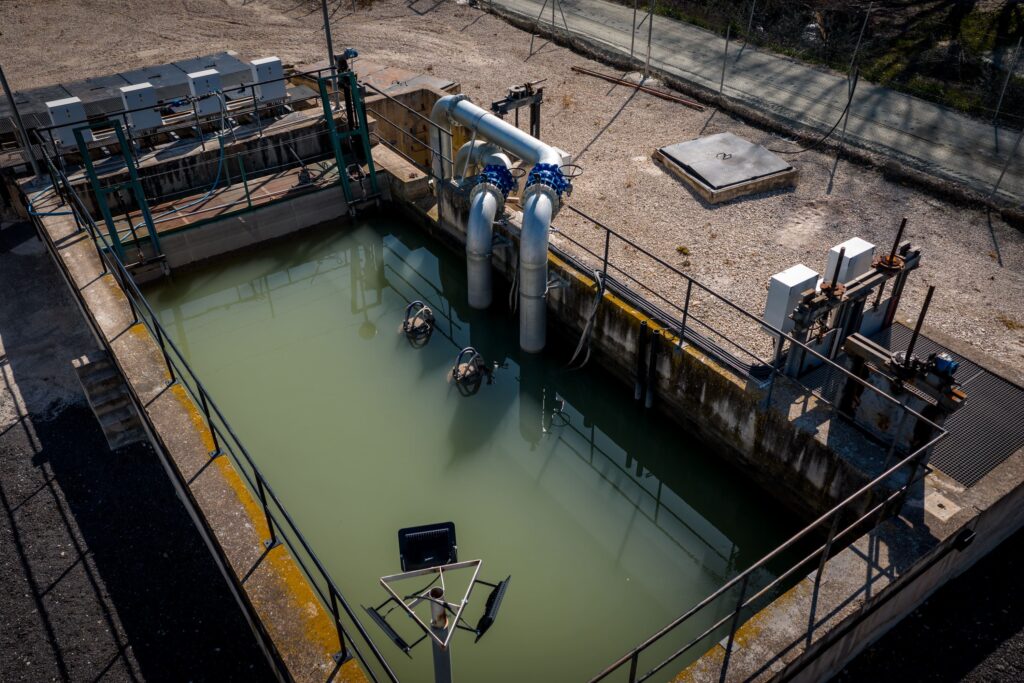
The Region of Murcia is consolidating an agricultural ecosystem built on water reuse, precision irrigation, digitalisation and renewable energy. Under the AgritechMurcia umbrella, this expertise is being transformed into technological capabilities that can be transferred to territories facing water scarcity, climate change and high energy costs.
For decades, water scarcity has shaped the development of agriculture in the Region of Murcia. However, this constraint has also driven a continuous process of innovation that has turned the region into a benchmark for the efficient management of water resources in agricultural production.
Today, the Region reuses 98% of its treated wastewater, compared with a national average of 9% and a European average of 5%, according to data from ESAMUR (Murcia Regional Water Treatment and Sanitation Agency). In addition, 87% of its irrigated area is equipped with localized irrigation systems, well above the national average of 57%.
This expertise in water management is complemented by the progressive energy transformation of irrigated agriculture through photovoltaic installations, self-consumption systems, automation, monitoring and more efficient pumping equipment.
It is precisely the integration of these capabilities — water, energy, digitalisation and agricultural engineering — that constitutes one of the key assets of the ecosystem represented by AgritechMurcia.
Water technology: generating more knowledge from every drop
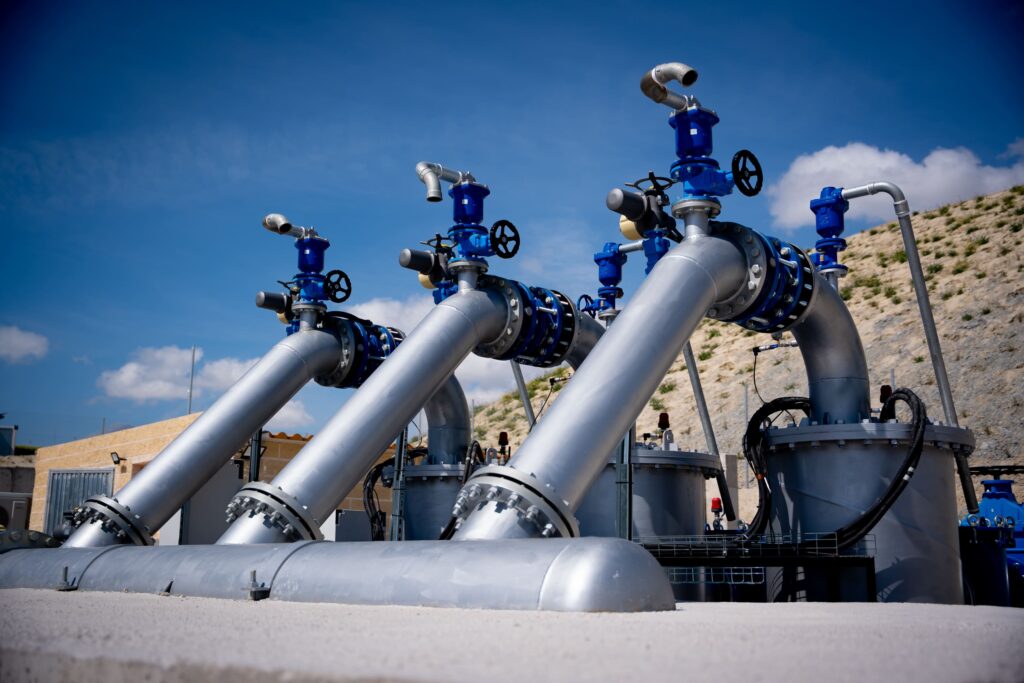
Murcia’s water efficiency begins long before water reaches the crop.
The Region has developed a model that combines wastewater treatment and reclamation, the incorporation of non-conventional water resources, efficient distribution networks and technologies capable of determining when, how much and how to irrigate.
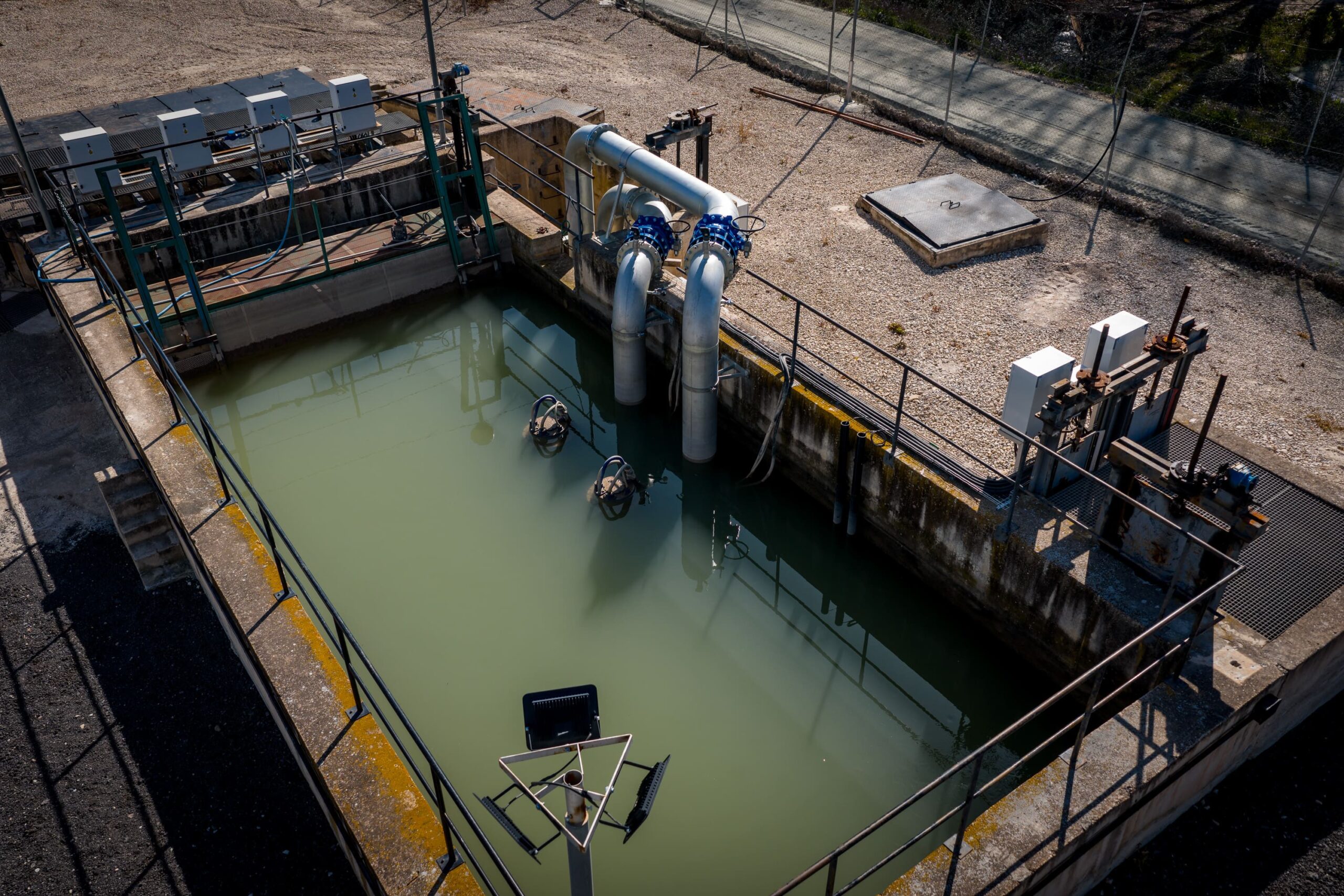
ESAMUR reports that Murcia treats 99% of its wastewater and reuses 98%. Water reclamation facilities make around 121 hm³ of reclaimed water available to irrigation communities each year, while approximately 15% of the water used for irrigation in the Region comes from wastewater treatment plants.
From localized irrigation to data-driven agriculture
The next step is digitalisation.
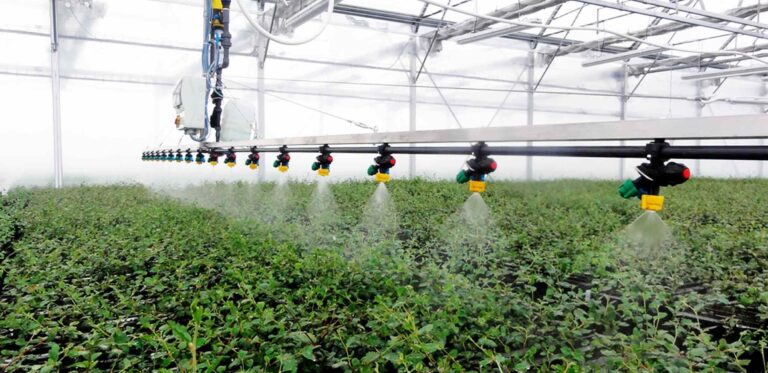
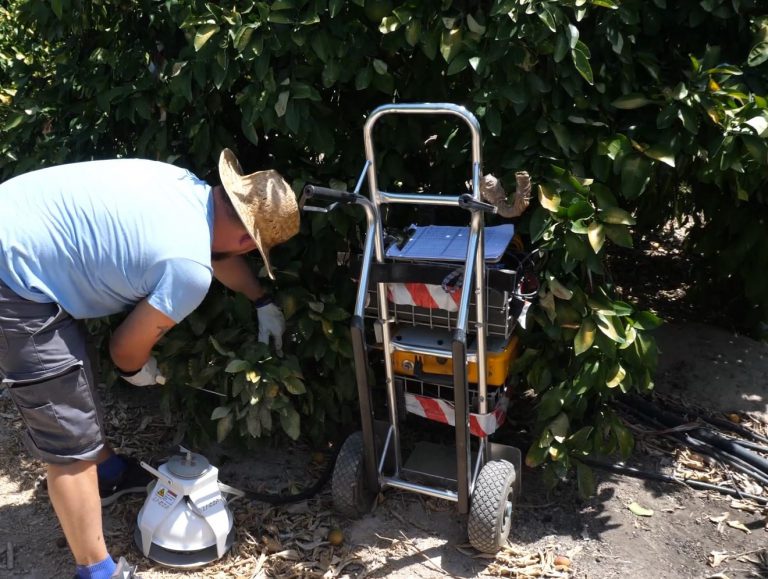
Soil-moisture sensors, agrometeorological stations, automation, fertigation control and evapotranspiration-based models make it possible to adjust water applications to the actual needs of each crop.
One example of this knowledge infrastructure is the Murcia Agricultural Information System (SIAM), coordinated by IMIDA (Murcia Institute for Agricultural and Environmental Research and Development). Its network comprises 56 automatic agrometeorological stations that record variables such as temperature, humidity, solar radiation, wind and rainfall, transforming them into useful information for farmers and technical professionals. In 2025, the platform recorded nearly 7.5 million visits.
Research is also advancing towards field sensorisation and the digitalisation of fertigation. Trials involving IMIDA have recorded reductions in irrigation water consumption of up to 30% under certain experimental conditions.
Water and energy: two efficiencies that can no longer be addressed separately
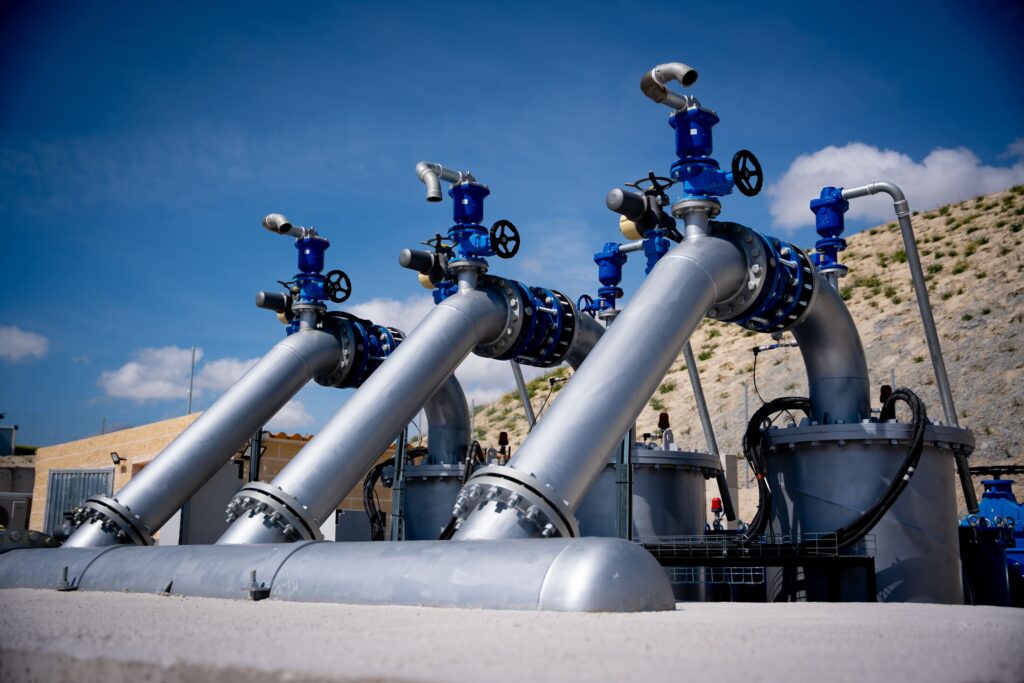
The sustainability of irrigated agriculture does not depend solely on saving water. Transporting, pressurising, desalinating or pumping it requires energy.
This is why the technological evolution of agriculture in Murcia addresses both resources as part of the same challenge.
The integration of photovoltaic solar energy for self-consumption, variable-frequency drives, pumping automation, network sectorisation and intelligent control systems makes it possible to reduce electricity consumption and move towards agricultural infrastructure with a lower carbon footprint.
Between 2022 and 2025, regional energy-modernisation programmes mobilised more than €31.5 million in investment, including €12.3 million in public funding, benefiting 43,500 irrigators and supporting measures related to approximately 136,000 hectares.
This approach remains in place. The 2026 regional funding call expressly includes investments aimed at water savings, the incorporation of reclaimed and desalinated water, improvements in energy efficiency and renewable energy generation for self-consumption by irrigation communities.
AgritechMurcia: turning regional expertise into exportable solutions
What has been developed in Murcia is particularly relevant in an international context characterised by drought, pressure on aquifers, rising energy costs and the need to produce food using fewer resources.
AgritechMurcia brings this expertise together through an integrated approach. Its value lies not only in having access to specific technologies, but in bringing together business, technical and research capabilities that can be adapted to different crops, territories and climatic conditions.
The experience accumulated in a territory with severe water constraints makes it possible to transfer solutions related to irrigation, fertigation, automation, water treatment and reuse, protected agriculture, monitoring and energy efficiency to international agricultural projects.
“Scarcity has forced us to understand water and energy as strategic resources that must be managed with precision. The expertise developed in Murcia demonstrates that technology, research and agricultural experience can transform a structural constraint into an opportunity to build more efficient and resilient production systems,” AgritechMurcia states.
The global challenge is no longer simply to have access to water or energy, but to manage both intelligently in order to ensure the future viability of agriculture.
This expertise is channelled through the regional ecosystem itself. ESAMUR, IMIDA and the AgritechMur Industrial Group are part of the AgritechMurcia Ecosystem, integrating capabilities related to water management and reuse, agricultural research and innovation, and the development of technological solutions for agriculture. This combination of knowledge, experience and industrial capacity makes it possible to transfer the model developed in the Region of Murcia to other territories and production contexts.
From the Region of Murcia, AgritechMurcia makes this expertise available to companies, institutions and territories seeking to develop agriculture that is more efficient, technologically advanced and better prepared for climate change.
Does your organisation face a challenge related to water management, energy efficiency or agricultural modernisation? Contact AgritechMurcia to explore technological solutions tailored to the needs of your territory.