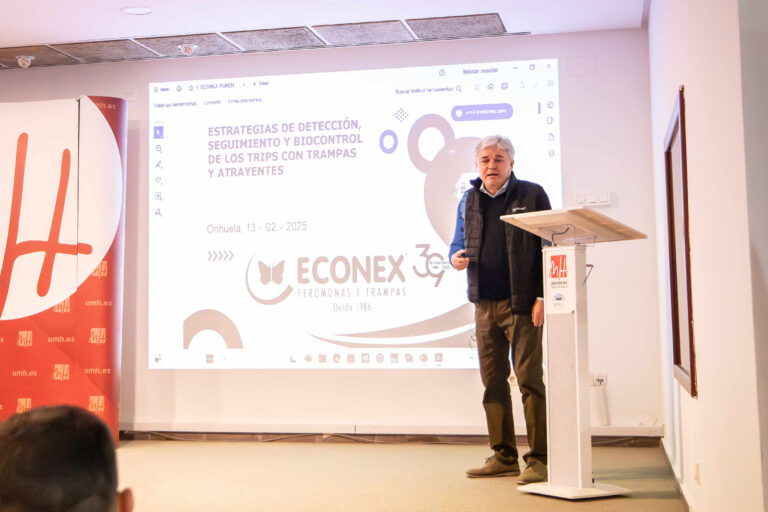



AgritechMurcia recently hosted a delegation from the Poltava region of Ukraine for a technical visit that highlighted the agricultural potential of both regions. Thousands of kilometres apart, Murcia and Poltava share a vision of more efficient, sustainable and people-centred agriculture, supported by advanced technology and strategic partnerships.
Murcia, an international model for resilient agriculture
Murcia is one of southern Europe’s leading agricultural regions. It produces more than 20% of the fruit and vegetables Spain exports to the EU and exports to more than 140 countries. The region has built a high-tech agricultural sector that has adapted to drought, poor soils and water scarcity through innovations in irrigation, automation, climate control and resource efficiency.
The Ukrainian delegation’s visit offered an opportunity to showcase AgritechMurcia’s model as an international benchmark for turnkey agro-industrial projects. The model combines technical support and training with a strong focus on advancing the Sustainable Development Goals (SDGs)
Technology, collaboration and inclusive development
During the technical visit, representatives from Poltava saw first-hand the technologies and partnerships that AgritechMurcia brings together.
- HIDROCONTA specialises in water management, water-use monitoring and the automation of water networks.
- NOVAGRIC provides advanced technology for greenhouses, climate control and intensive crop production.
- AgritechMurcia and INFO Región de Murcia presented a model that brings businesses, researchers and public authorities together to develop high-impact agricultural solutions.
The delegation also saw examples of successful end-to-end agricultural project management. These projects demonstrated the group’s ability to work around the world, with particular attention to rural areas with specific needs in economic development, technical training and inclusion.
Technology that serves people
One of the highlights was a meeting with Fundación Cepaim to discuss community development, migrant inclusion and ways to strengthen local communities. The Poltava delegation and the Spanish representatives agreed to work on a Memorandum of Cooperation, laying the groundwork for future joint projects that bring together agricultural development, social inclusion and the needs of local communities.