

Emilio Cobos, Vice President of Agritech Murcia, highlighted that “the mission has made it possible to align the project with the country’s technical and regulatory frameworks and to move forward toward a comprehensive approach in which the water produced and brine management form part of the same efficient and sustainable solution.”
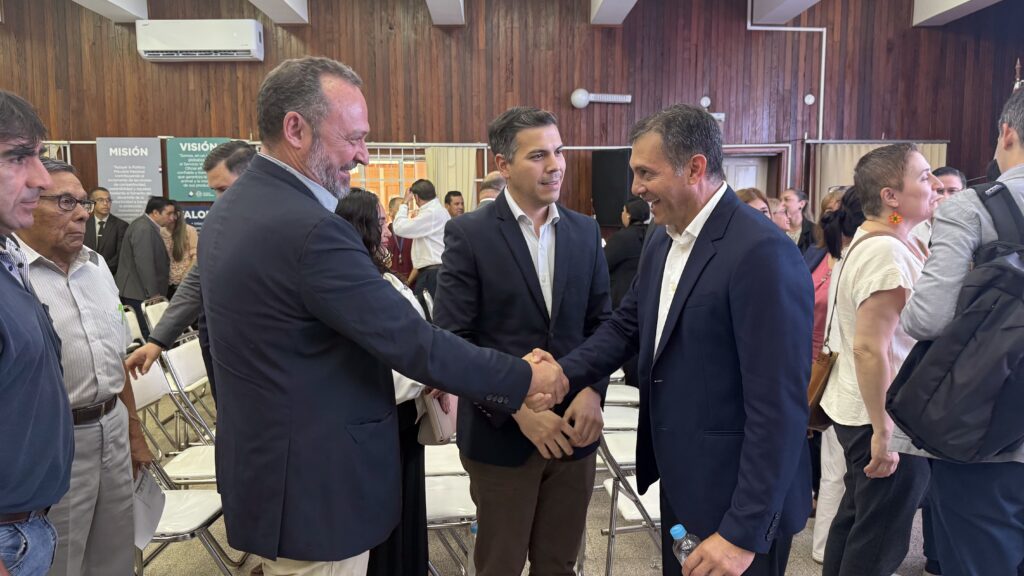
During the visit, a working agenda was carried out combining institutional meetings, technical discussions, and operational coordination. In summary, the following activities took place:
- Kick-off meeting with technical counterparts and local coordination partners to define scope, priorities, and roadmap.
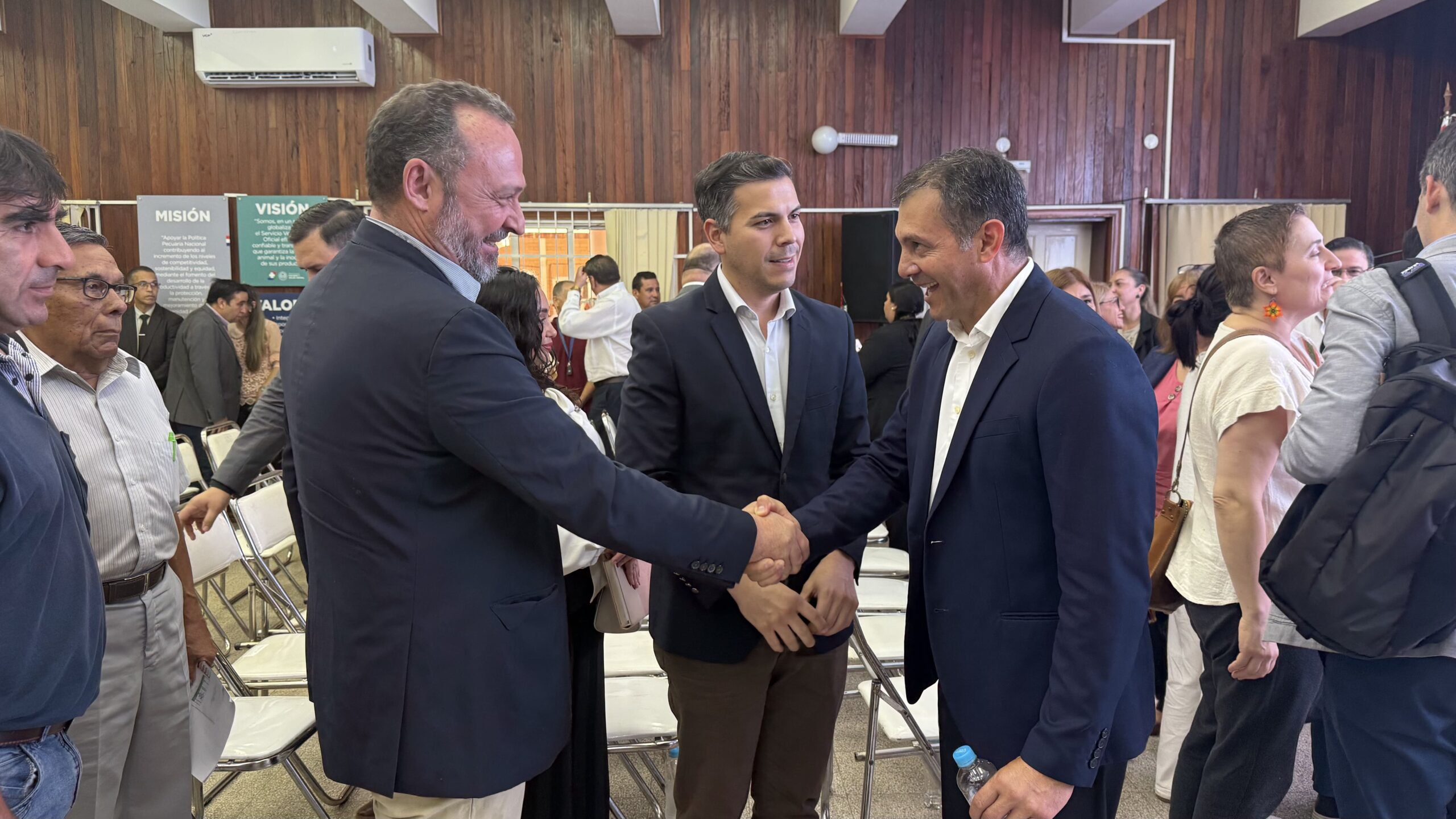
- Meetings with national authorities responsible for sanitary and productive quality in the animal and plant/seed sectors, focusing on requirements, standards, and opportunities for the sector.
- Meeting with the regulatory authority for sanitary services to review service criteria, regulation, and how the project fits within the water supply and sanitation framework.
- Participation in a public hearing at the Ministry of Agriculture and Livestock, followed by a technical meeting with its senior leadership to explore synergies related to water use and territorial impact.
- Meetings with representatives of the legislative branch (committees related to public works/infrastructure and foreign affairs) to contextualize the project and its strategic implications.
- Sessions with agencies related to environmental sanitation and the national directorate for drinking water and sanitation, focusing on technological alternatives, permitting, concentrate/brine management, and environmental criteria.
- Meeting with the economic promotion and investment/export area to explore institutional support and the integration of the project into development plans.
Cobos emphasized that “brine valorization is not an add-on: it is the key to transforming an environmental challenge into an industrial opportunity, recovering valuable salts and improving the overall sustainability of the system.”
Next steps
Following the mission, work will continue on consolidating the technical scope, the implementation model, and the execution timeline, incorporating the lessons learned from the meetings as well as the identified regulatory and environmental criteria.